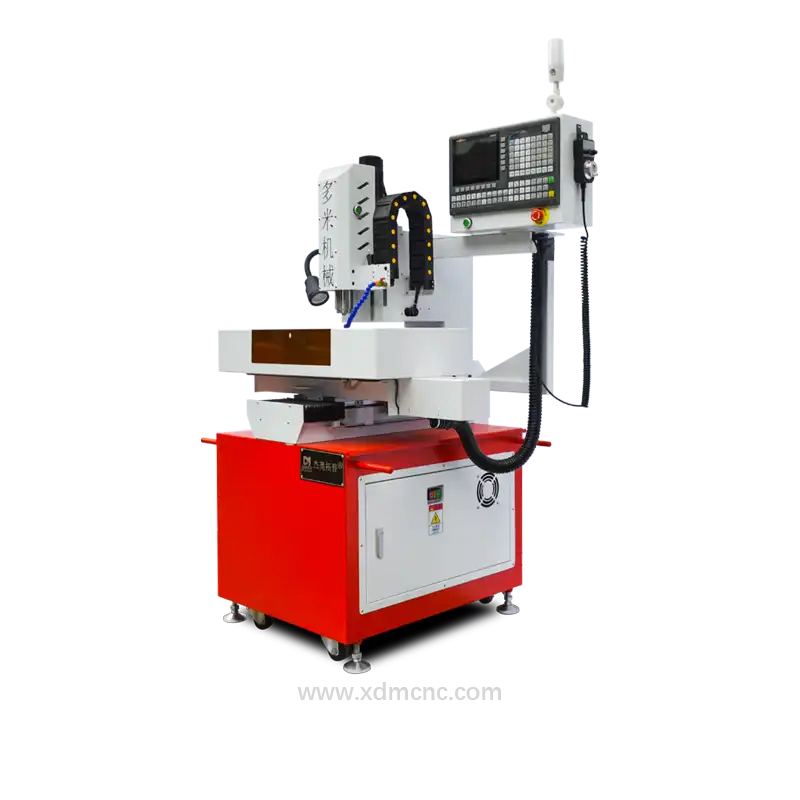
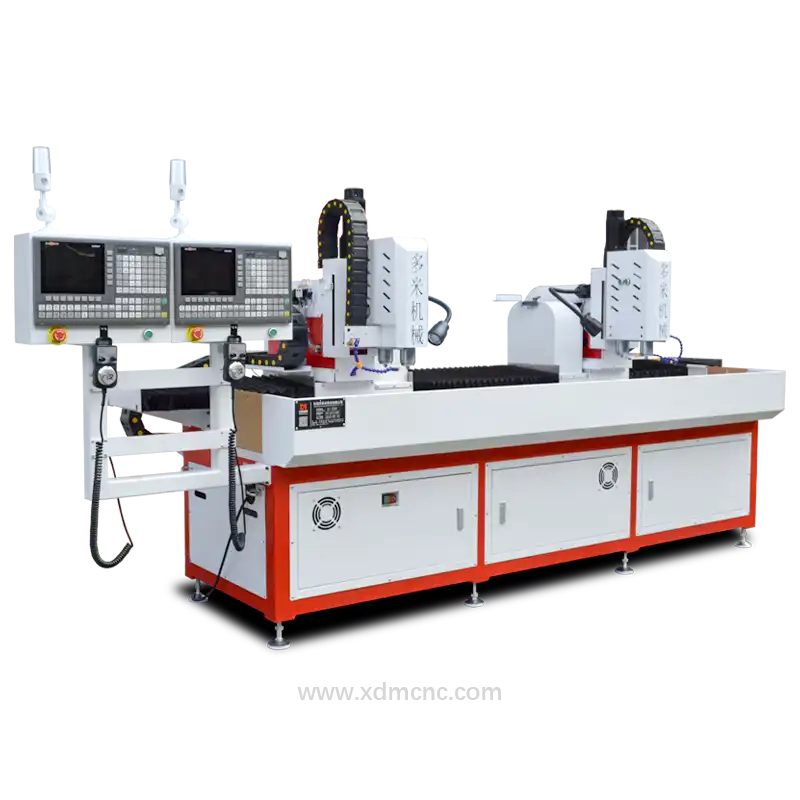
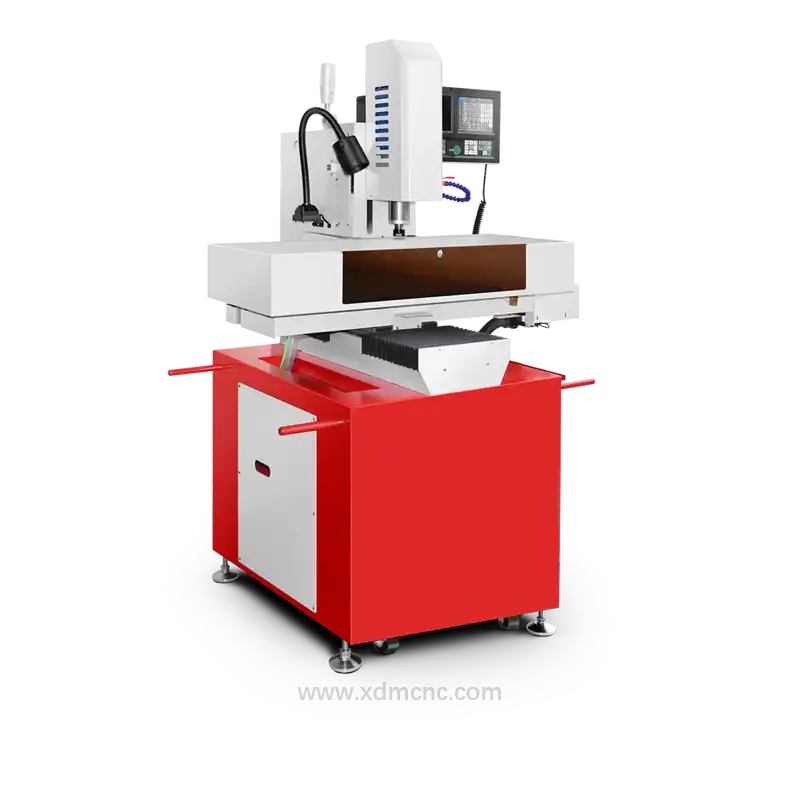
Small Diameter Hole CNC Drilling Machine: Engineering Precision at Micro Scale
Computer Numerical Control (CNC) small diameter hole drilling machines represent the pinnacle of modern manufacturing precision. Specially engineered to produce micro-apertures ranging from Ø0.05 mm to Ø3.0 mm, a small diameter hole CNC drilling machine delivers high dimensional repeatability, low runout tolerances, and superior surface finish in high-aspect-ratio applications.
From aerospace turbine cooling channels and automotive fuel injectors to medical catheters and high-density interconnect (HDI) printed circuit boards (PCBs), small diameter hole machining demands specialized machine kinetics, ultra-high-speed spindles, and advanced chip evacuation strategies.
Key Architectural Features of Small Diameter Hole CNC Drilling Machines
Drilling micro-diameter holes requires fundamentally different mechanical dynamics compared to conventional CNC milling or standard drilling operations.
1. Ultra-High-Speed Spindle Technology
To achieve required cutting surface speeds (V_c) on micro-drills (often <1.0 mm in diameter), spindles must rotate between 40,000 RPM and 150,000 RPM. High-frequency motorized spindles with air bearings or precision ceramic hybrid bearings ensure zero heat transfer to the quill while maintaining Total Indicator Reading (TIR) runout below 0.001 mm (1 µm).
2. Micro-Peck Cycle Algorithms and Dynamic Load Control
Micro-drills are highly susceptible to torsional shear failure caused by chip packing. Modern small diameter hole CNC drilling machines utilize real-time axis load monitoring combined with adaptive peck-drilling algorithms (e.g., G83 custom cycles). The Z-axis retracts dynamically as torque spikes are detected, preventing catastrophic tool breakage.
3. High-Pressure Coolant Delivery (TSC & MQL)
Chip evacuation in deep micro-holes (aspect ratios exceeding 20:1) requires specialized fluid dynamics: * High-Pressure Through-Spindle Coolant (TSC): Pressures from 70 bar to 150 bar (1,000 to 2,100 PSI) force chips out through flutes. * Minimum Quantity Lubrication (MQL): Atomized aerosol delivery for burr-free dry/near-dry machining of aluminum and composite materials.
Technological Comparison: Micro-Machining Methods
| Feature / Parameter | Mechanical Micro-Drilling | Micro Electrical Discharge Machining (EDM) | Femtosecond Laser Drilling |
|---|---|---|---|
| Hole Diameter Range | Ø0.1 mm – Ø3.0 mm | Ø0.03 mm – Ø0.5 mm | Ø0.005 mm – Ø0.2 mm |
| Aspect Ratio (Depth:Dia) | Up to 30:1 | Up to 100:1 | Up to 15:1 |
| Tolerances (Diameter) | ±0.002 mm | ±0.001 mm | ±0.003 mm |
| Surface Roughness (Ra) | 0.2 – 0.8 µm | 0.4 – 1.6 µm | <0.1 µm (No heat affected zone) |
| Material Suitability | Metals, Plastics, Composites | Conductive Metals / Superalloys | All Materials (including Glass/Ceramics) |
Industry Applications for Small Diameter Hole Drilling
Electronics & Semiconductor Packaging
- PCB Micro-Vias: High-speed mechanical and laser micro-drilling creates blind and buried vias (Ø0.075 mm–Ø0.15 mm) connecting multilayer copper traces in HDI circuit boards.
- IC Test Sockets: Micro-drilling thousands of ultra-precise pinholes in PEEK or Torlon substrates with strict positional tolerances (±0.005 mm pitch accuracy).
Medical Devices & Surgical Implants
- Catheters & Endoscopes: Producing fluid passage channels and tip holes in stainless steel 316L, Nitinol, and medical-grade polymers compliant with ISO 13485 standards.
- Hypodermic Needles & Stents: Burr-free drilling ensures micro-passages maintain full structural integrity without internal obstruction.
Aerospace & Power Generation
- Turbine Blade Cooling Holes: Drilling angled film-cooling micro-holes in Nickel superalloys (Inconel 718, René 80) capable of withstanding extreme thermal environments.
- Fuel Atomization Nozzles: Precision micro-holes determine spray pattern efficiency in jet turbine combustion chambers.
Automotive Powertrain Systems
- Direct Fuel Injection (GDI/Diesel): Micro-drilling spray orifices (Ø0.08 mm–Ø0.18 mm) at precise compound angles to optimize fuel combustion and emissions.
Overcoming Challenges in Small Diameter Hole Machining
- Tool Deflection & Positional Accuracy: Micro-drills lack lateral stiffness. Small diameter hole CNC drilling machines employ pilot-drilling operations combined with optical tool setters and vision alignment systems to establish true position tolerances within ±0.002 mm.
- Burr Formation at Exit Points: Exit burrs present major deburring challenges on micro-holes. Utilizing high-rake, polished micro-grain carbide tools paired with optimized feeds (0.001–0.005 mm/rev) minimizes burr height.
- Thermal Expansion: Ambient temperature fluctuations alter Z-axis height. Premium small diameter hole CNC machines feature thermal displacement compensation sensors directly on the spindle face.
Selection Criteria for Buyers
When evaluating a small diameter hole CNC drilling machine, verify key machine metrics: * Spindle Runout (TIR): Must be ≤ 0.001 mm. * Z-Axis Resolution: Linear scale encoder resolution of 0.1 µm (0.0001 mm). * Control Response Time: Look for CNC controllers with fast block processing speeds (<0.5 ms) and micro-peck control routines. * Automation Integration: Robotic loader interface for continuous micro-drilling cycles.
Need High-Efficiency CNC Drilling & Tapping Machinery?
Consult with our senior application engineers to get a custom cycle time simulation and tailored machine proposal within 24 hours.