

The CNC (Computer Numerical Control) drilling machine is an essential tool in modern manufacturing, offering precision and efficiency in drilling operations. As industries evolve, the demand for high-quality CNC drilling machines has surged. This guide aims to assist businesses in making informed purchasing decisions by outlining key considerations and factors to evaluate during the procurement process.
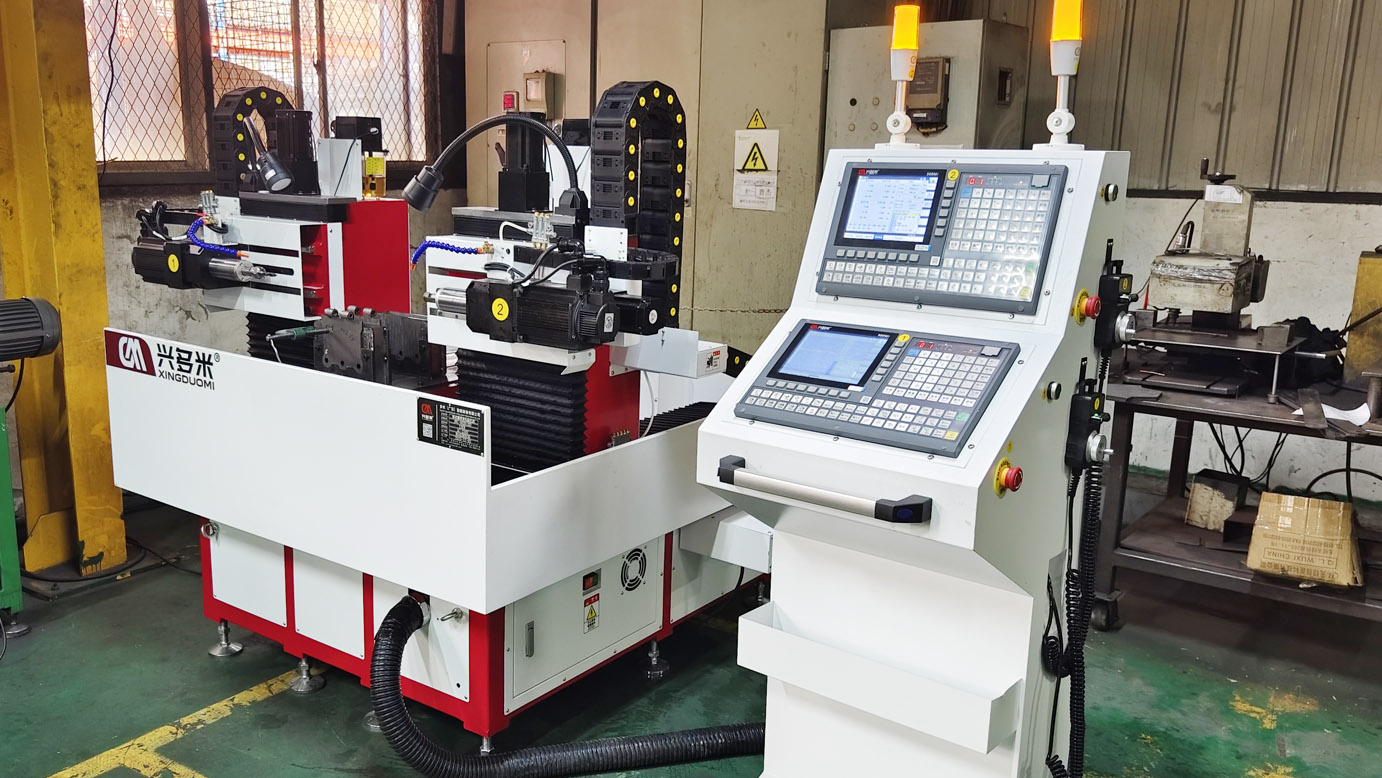
CNC Drilling Machine Procurement Guide
1. Understanding CNC Drilling Machines
CNC drilling machines utilize computer technology to control the movement of the drilling tool, allowing for high precision and repeatability.
They are used in various applications, including:
Aerospace
Automotive
Electronics
Metalworking
Types of CNC Drilling Machines
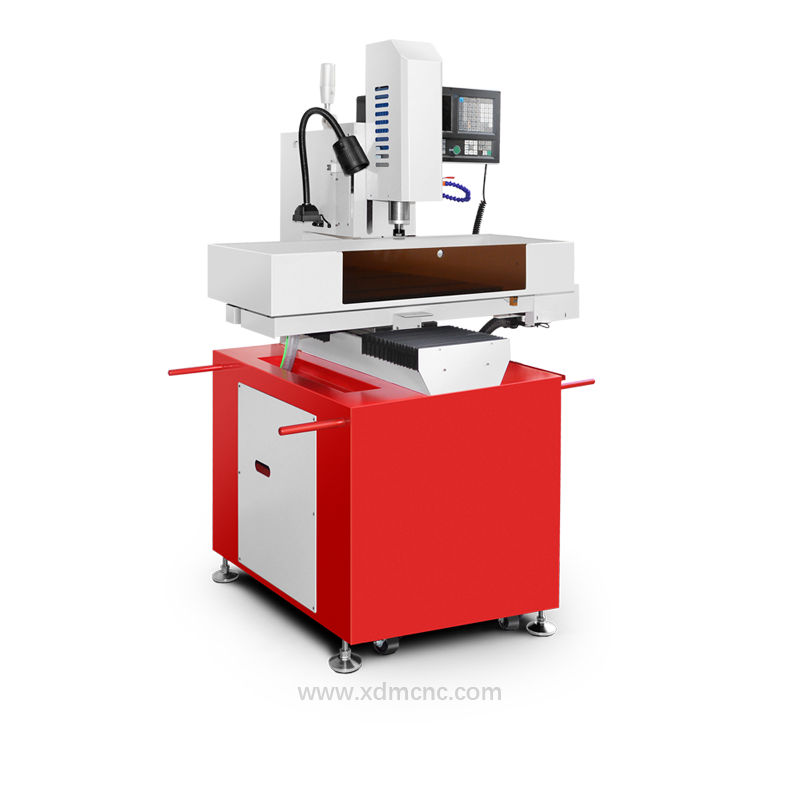
Vertical CNC Drilling Machines: Ideal for drilling holes in vertical surfaces.
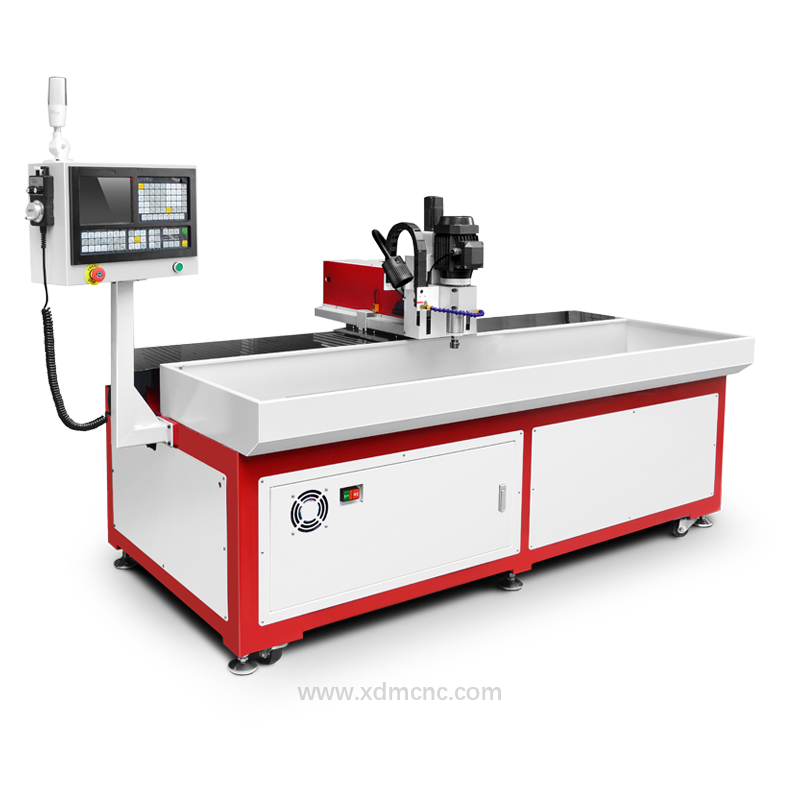
Horizontal CNC Drilling Machines: Suitable for larger workpieces and multiple drilling operations.
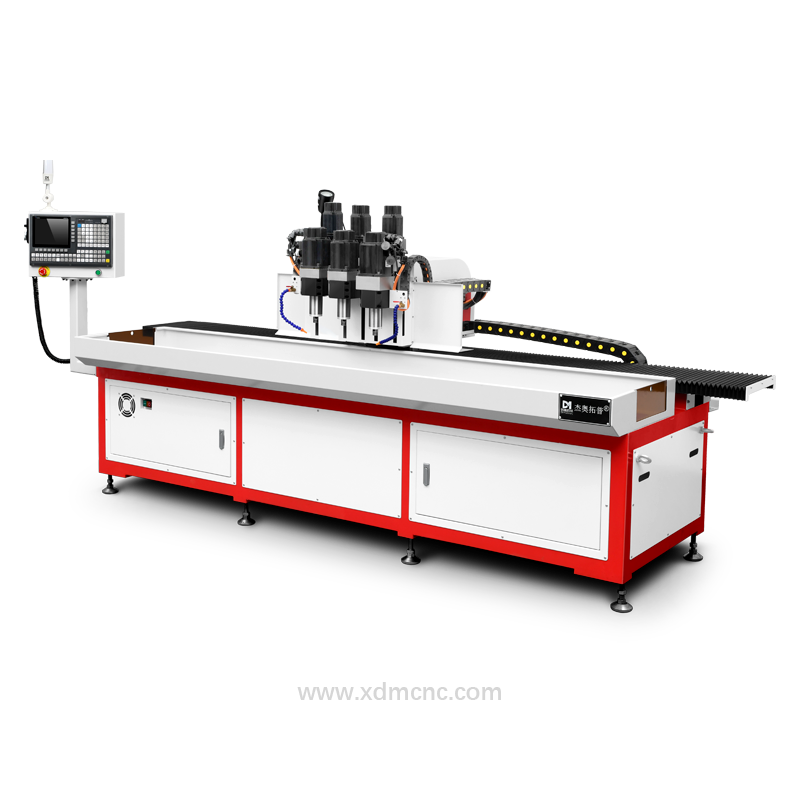
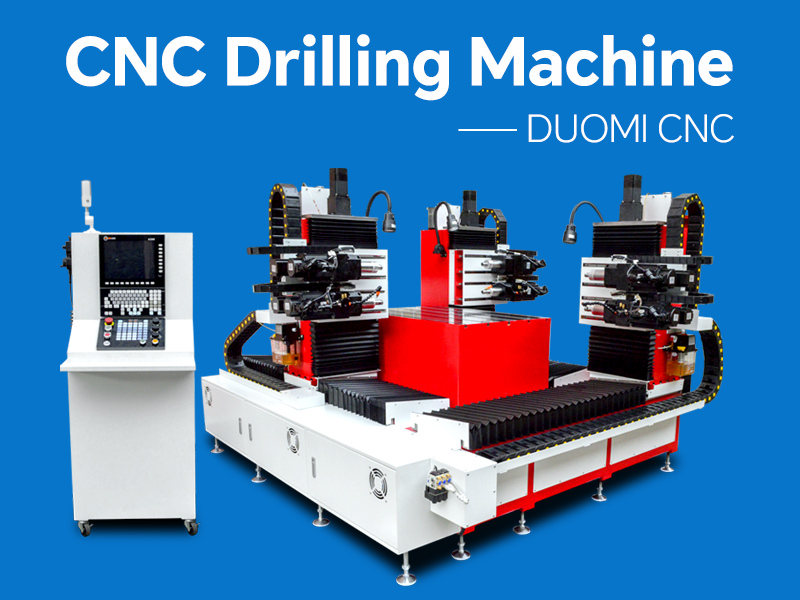
Multi-Spindle CNC Drilling Machines: Designed for high-volume production, capable of drilling multiple holes simultaneously.
2. Key Considerations for Procurement
a. Determine Your Needs
Before purchasing, assess your specific requirements:
Material Type: Identify the materials you will be drilling, as different materials require different drilling speeds and tool types.
Drilling Depth and Diameter: Specify the depth and diameter of holes needed for your projects.
Production Volume: Consider whether you need a machine for low-volume or high-volume production.
b. Budget and Cost Analysis
Establish a budget that includes not just the initial purchase price but also maintenance, training, and operational costs. Compare different models and brands to find the best value for your investment.
c. Machine Specifications
Evaluate the following technical specifications:
Spindle Speed: Higher speeds allow for faster drilling but may require more advanced tooling.
Feed Rate: Determines how quickly the machine can move the drill into the material.
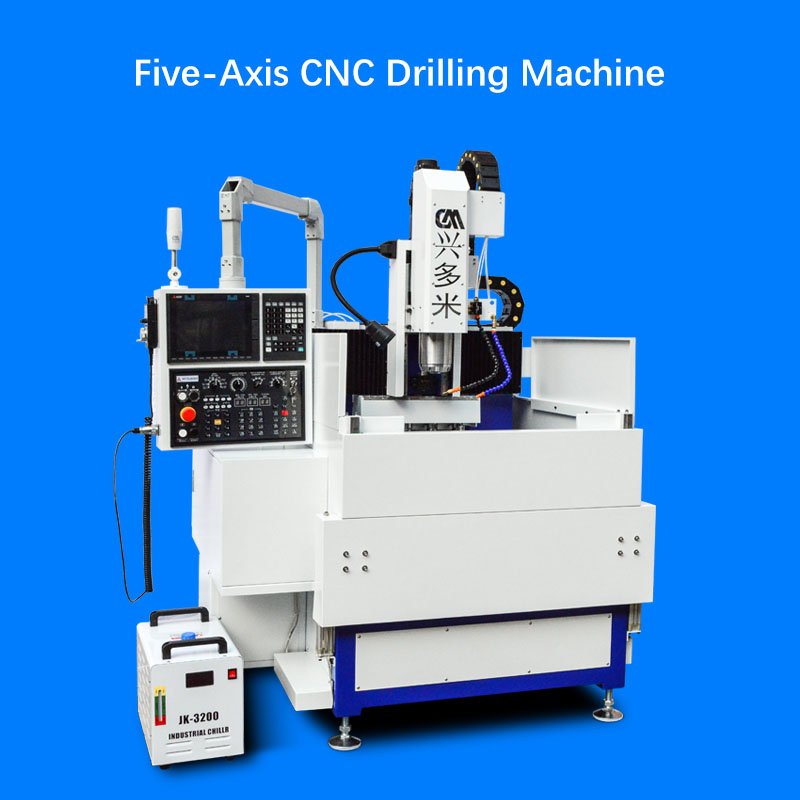
Axis Configuration: Common configurations include 3-axis, 4-axis, and 5-axis machines, affecting versatility and complexity.
d. Manufacturer Reputation
Research manufacturers to ensure they have a solid reputation for quality and service. Look for:
Reviews and testimonials from other users.
Industry certifications and standards compliance.
Availability of spare parts and customer support.
3. Additional Features to Consider
a. Software Compatibility
Ensure the CNC drilling machine is compatible with your existing CAD/CAM software. This integration is crucial for seamless operations and efficient programming.
b. Automation and Advanced Features
Consider machines with automation features such as:
Automatic Tool Changers: For increased efficiency by reducing downtime during tool changes.
Integrated Inspection Systems: To monitor the quality of drilled holes in real-time.
c. Safety and Compliance
Verify that the machine adheres to safety standards and regulations. Look for features like emergency stop buttons, safety guards, and user-friendly interfaces.
4. Post-Purchase Considerations
a. Training and Support
Invest in training for your operators to ensure they can effectively use and maintain the machine. Additionally, assess the availability of technical support from the manufacturer.
b. Maintenance and Upkeep
Regular maintenance is critical for the longevity of your CNC drilling machine. Develop a maintenance schedule and budget for routine checks and necessary repairs.
Conclusion
Purchasing a CNC drilling machine is a significant investment that can greatly enhance your manufacturing capabilities. By carefully considering your needs, budget, and the machine's specifications, you can make an informed decision that aligns with your business goals. Always conduct thorough research and seek expert advice if needed to ensure you choose the right machine for your operations.
Follow-Up
If you have any questions or need further assistance regarding CNC drilling machines or the procurement process, feel free to reach out!