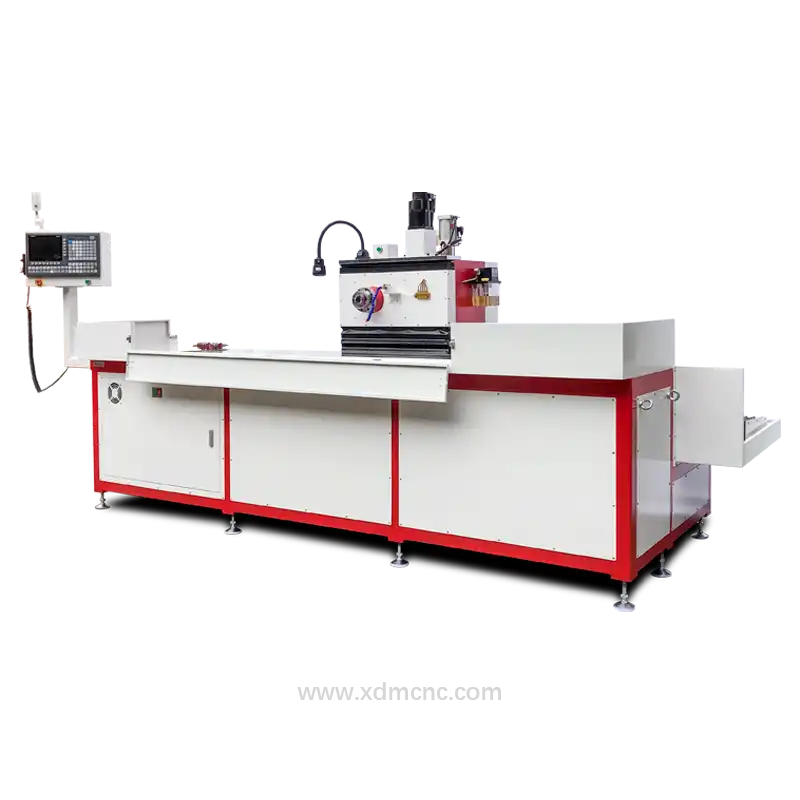
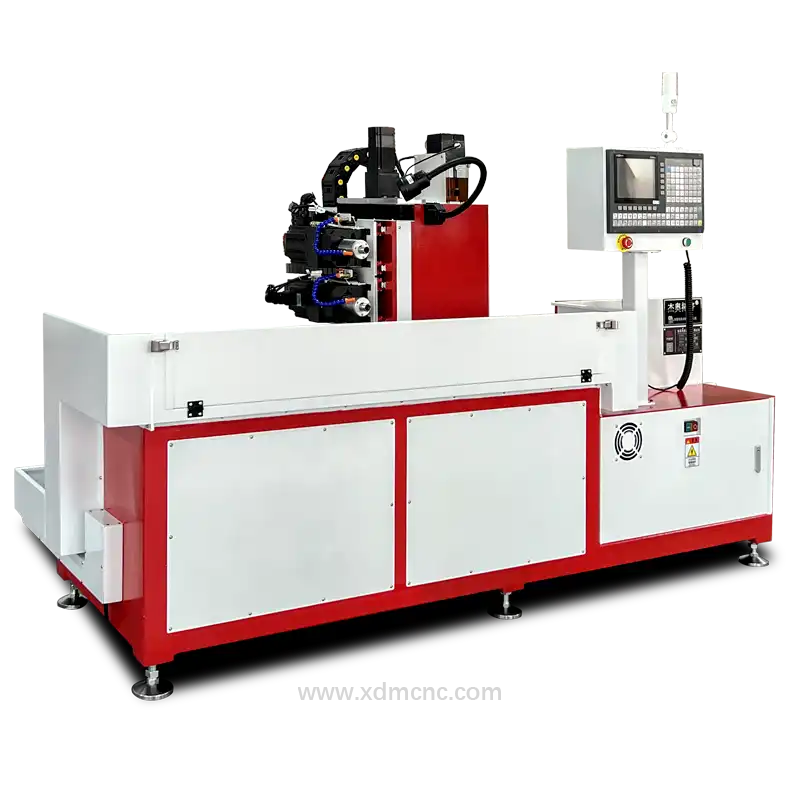
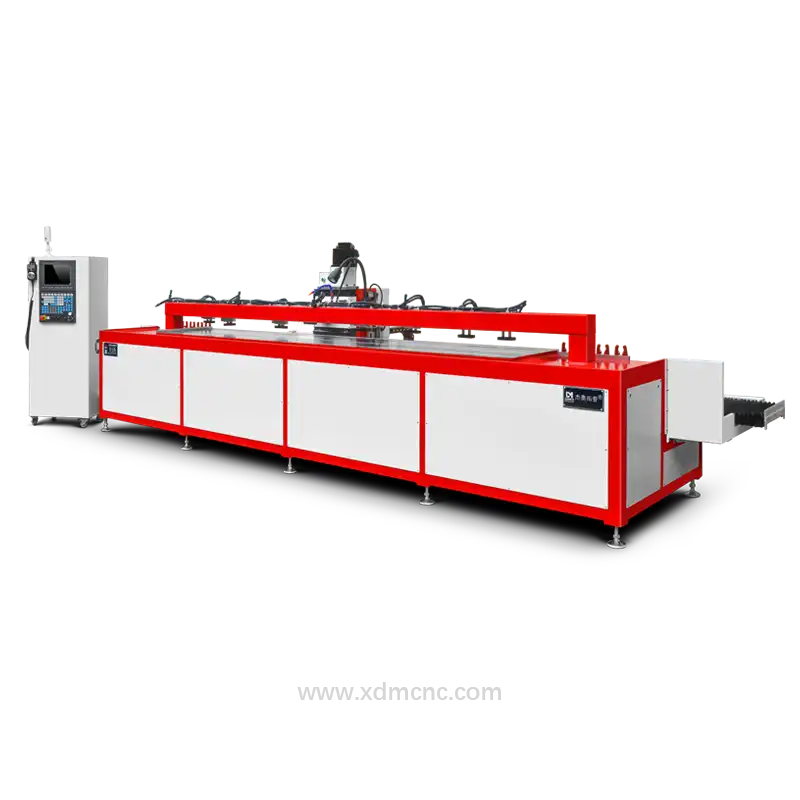
In today's highly competitive manufacturing environment, efficiency, precision, and automation are essential operational standards. Among the key innovations revolutionizing panel processing, custom cabinetry, joinery, and structural metal fabrication is the Horizontal CNC Side Drilling Machine. Designed specifically to eliminate manual alignment errors and accelerate cycle times, this modern automated solution delivers accurate lateral machining across diverse manufacturing applications.
Whether processing wood panels, MDF, aluminum extrusions, or industrial composites, a dedicated horizontal side hole CNC drilling machine offers repeatability, high spindle speeds, and seamless digital workflow integration.
What Is a Horizontal CNC Side Drilling Machine?
A Horizontal CNC Side Drilling Machine is an automated, computer-controlled machining tool engineered specifically to drill, tap, countersink, or mill features along the lateral edges or sides of workpieces. Unlike standard vertical CNC routers that process the top surface (Z-axis plunge), horizontal drilling systems focus on edge-bore operations without requiring complex 90-degree angle heads or labor-intensive manual panel repositioning.
Modern CNC side drilling machines utilize multi-axis CNC controllers, high-speed motorized spindles, and precision laser or photoelectric edge sensors to identify workpiece boundaries automatically. This makes them crucial in modular furniture manufacturing (dowel and cam-lock drilling), architectural woodworking, and metal side-drilling/tapping lines.
How a Horizontal Side Hole CNC Drilling Machine Works
Horizontal side hole drilling machines streamline production through a closed-loop digital process:
- Workpiece Loading & Pneumatic Clamping: The operator or automatic loader places the panel on the heavy-duty machine table. High-rigidity pneumatic clamps secure the material to prevent vibration during drilling cycles.
- Laser / Optical Edge Detection: Integrated photoelectric or laser positioning sensors automatically detect the workpiece edge, origin point, and pre-milled top holes, eliminating manual measuring and calibration.
- G-Code Program Execution: The CNC controller executes standard ISO 6983 G-code instructions generated directly from CAD/CAM design software.
- High-Speed Lateral Machining: Servo-driven X, Y, and Z axes position the horizontal spindle to perform high-speed side hole drilling, grooving, or blind-hole dowel machining with extreme positional accuracy.
- Automated Ejection: Completed workpieces are automatically released or fed to the next station, maintaining a continuous manufacturing workflow.
Key Engineering Features & Specifications
When evaluating high-performance horizontal CNC side drilling machines, hardware engineering and CNC control capabilities are vital metrics. Below is a standard technical specification overview for industrial-grade side drilling equipment:
| Technical Parameter | Standard Specification Range |
|---|---|
| Positional Accuracy | ±0.02 mm (compliant with ISO 230-2) |
| Repeatability Accuracy | ±0.01 mm |
| Spindle Speed Range | 18,000 – 24,000 RPM (Wood/Composites) / 3,000 – 8,000 RPM (Metal) |
| Max Axis Travel Speed | Up to 60 m/min (X/Y-axis rapid traverse) |
| Clamping System | Multi-zone pneumatic cylinder clamps (0.6–0.8 MPa working pressure) |
| Drive Motors | Absolute AC Servo Motors (Yaskawa / Panasonic) |
| Control Interface | Industrial CNC Controller (Syntec / Siemens / LNC) with CAD/CAM compatibility |
| Sensor Tech | High-precision laser optical sensor system |
Key Structural Features:
- Heavy-Duty Welded Frame: Stress-relieved steel gantry and bed prevent dynamic deflection during high-speed feed movement.
- Precision Motion Components: Linear guide rails (HIWIN/THK) and ground ball screws ensure smooth lateral motion and low friction.
- Smart Scanning Systems: Scans barcoded labels directly generated by design software to instantly load toolpaths.
- Dust Extraction & Chip Removal: Integrated dust collection hoods protect optical sensors and maintain a clean machining surface.
Operational Benefits of CNC Side Drilling Machines
1. Superior Machining Accuracy (±0.01 mm Repeatability)
By combining rigid mechanical structures with closed-loop servo control, modern side hole drilling machines maintain extreme positioning accuracy, ensuring perfect hole-to-hole alignment for assembly fittings and dowel pins.
2. Dramatically Reduced Cycle Times
Compared to manual horizontal boring machines or manual drill presses, an automated horizontal CNC side drilling machine increases operational output by up to 300%. The system eliminates manual layout, measuring tapes, and repetitive stop adjustment.
3. Material Versatility
While widely adopted in wood processing (MDF, particleboard, plywood, solid wood), heavy-duty horizontal side drilling and tapping machines process non-ferrous metals, aluminum profiles, steel frames, and engineering plastics with equal efficiency.
4. Direct CAD/CAM & Smart Factory Integration
These machines integrate smoothly into Industry 4.0 digital smart factory environments. By supporting standard DXF, STEP, and CAD/CAM file formats, designs flow directly from software to production without manual programming.
5. Reduced Labor Costs & Human Error
Automated sensor alignment and barcode toolpath loading allow non-technical operators to run the equipment safely and effectively, significantly lowering scrap rates and operational labor expenses.
Industry Applications
- Modular Cabinetry & Furniture: Lateral drilling for cam-lock connectors, wooden dowels, shelf pins, and concealed hinge plates.
- Architectural Joinery & Doors: Mortise drilling, side slotting, and edge lock holes on solid wood core doors.
- Aluminum Extrusions & Metal Fabrication: Precision edge drilling and thread tapping on structural aluminum channels and enclosure frames.
- Composite & Plastic Processing: High-speed lateral drilling on dense industrial laminates and polycarbonate panels.
Factors to Consider When Selecting a Side Drilling Machine
- Machining Dimensions: Verify maximum panel length, width, and thickness limits relative to your standard production stock.
- Spindle Configuration: Choose between single-spindle horizontal setups, dual-spindle units, or multi-head drilling blocks based on throughput requirements.
- Tapping & Milling Capability: If processing metal components, select machines equipped with high-torque spindles and rigid tapping controls.
- Controller Compatibility: Ensure the CNC controller accepts open code standards and integrates with your current factory CAD/CAM nesting software.
- After-Sales & Technical Support: Select established equipment manufacturers like DUOMI CNC that provide training, rapid spare parts availability, and global field service support.
Need High-Efficiency CNC Drilling & Tapping Machinery?
Consult with our senior application engineers to get a custom cycle time simulation and tailored machine proposal within 24 hours.