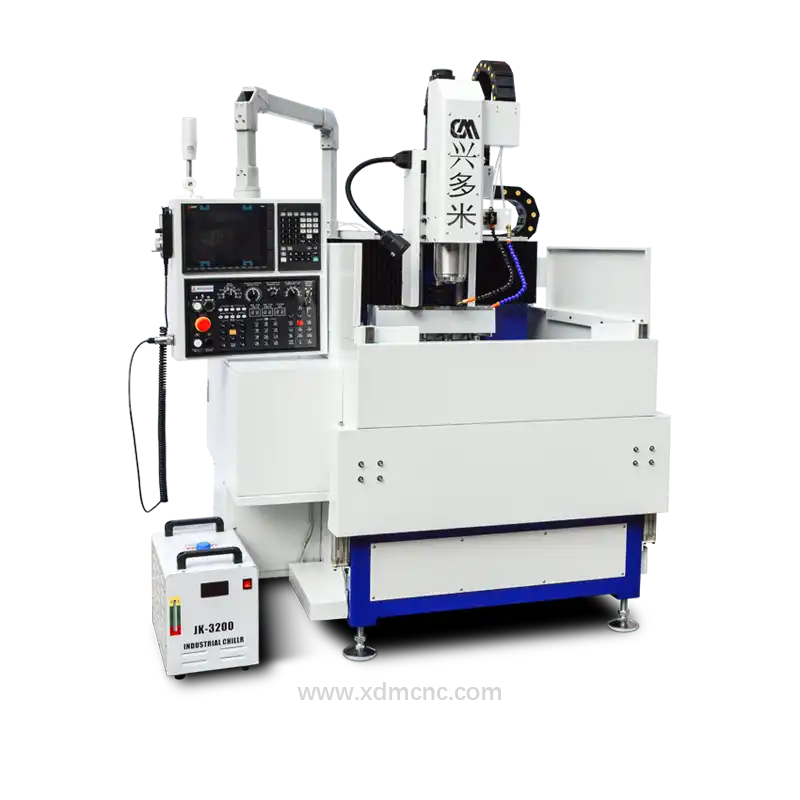
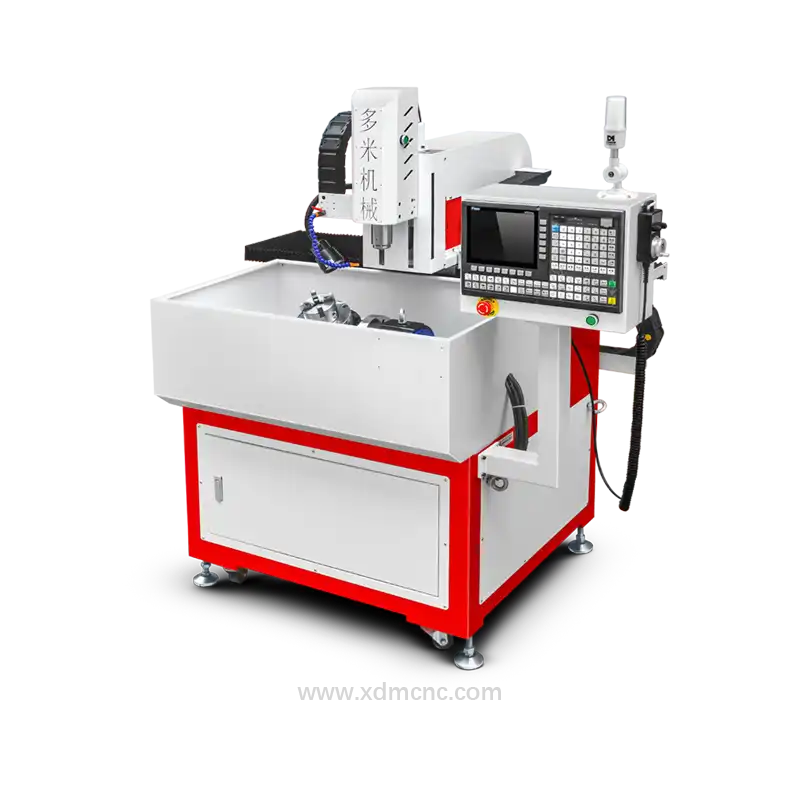
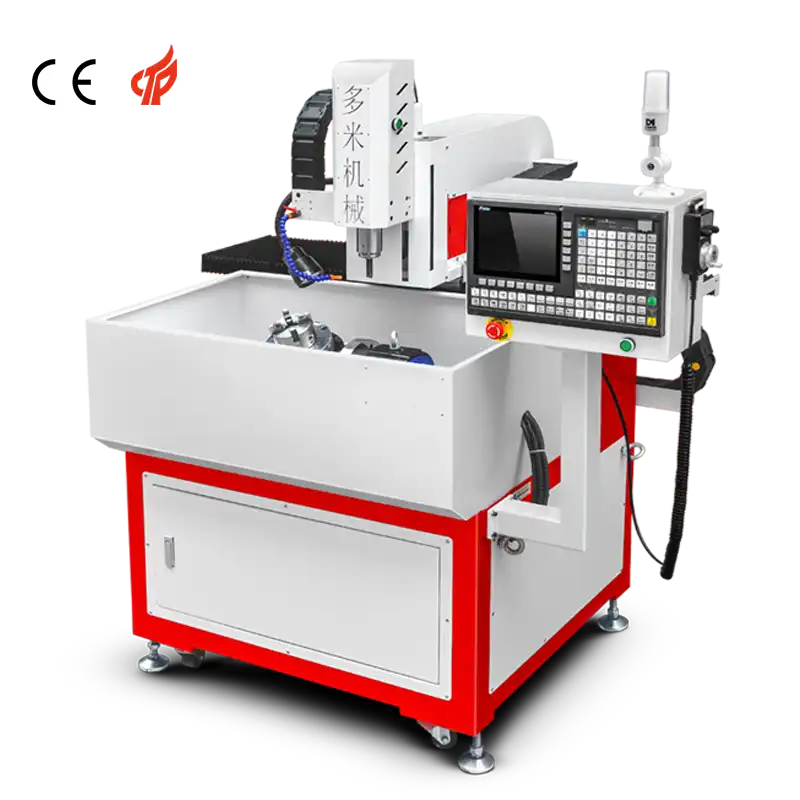
The Gas Stove Burner Cap CNC Drilling Machine has revolutionized the automated manufacturing of gas stove components, playing a vital role in the high-volume production of brass, aluminum, and cast-iron burner caps. Modern gas appliances demand strict adherence to flame thermal efficiency standards (such as EN 30-1-1 and ISO 9001 guidelines). Achieving precise hole diameter alignment, burr-free port drilling, and consistent port angles is critical for ensuring complete combustion and preventing carbon buildup.
This guide explores the technical mechanisms, global manufacturing practices, and structural advantages of specialized CNC drilling machines engineered for gas stove burner caps.
Technical Overview: How Gas Stove Burner Cap CNC Drilling Machines Work
A Gas Stove Burner Cap CNC Drilling Machine is a multi-axis machine tool optimized to drill circumferential, radial, and angular flame ports in gas burner heads. Burner caps regulate fuel-gas discharge, controlling mixing velocity and primary air ratios.
+-----------------------------------------------------------------------+
|                   AUTOMATED CNC DRILLING WORKFLOW                     |
|                                                                       |
|  [Raw Burner Cap] -> [Pneumatic Indexing Fixture] -> [Multi-Spindle]  |
|                                                             |         |
|  [Quality QC Check] <- [Auto-Deburring / Chamfering] <- [CNC Drilling] |
+-----------------------------------------------------------------------+
Primary Manufacturing Functions & Performance Metrics:
- High-Precision Multi-Axis Drilling: Maintains positioning accuracy within ±0.01 mm and repeatability down to ±0.005 mm across varying port patterns.
- Multi-Spindle & Indexing Heads: Allows simultaneous drilling of multiple micro-holes (ranging from Ø0.8 mm to Ø3.5 mm) at precise radial angles (30°–90°).
- Automated Pneumatic Clamping & Loading: Integrates rotary indexing tables and robotic arm loading to decrease cycle times under 8–12 seconds per component.
- Burr Elimination & Surface Finishing: High RPM spindles (12,000–24,000 RPM) deliver clean micro-drilling, minimizing secondary deburring operations.
Key Technical Specifications
| Specification Parameter | Standard Range / Metric | Industrial Impact |
|---|---|---|
| Spindle Speed | 12,000 – 24,000 RPM | High-speed cutting reduces cycle time and drill bit wear |
| Hole Diameter Range | Ø0.8 mm – Ø4.0 mm | Accommodates natural gas (NG) and LPG orifice geometries |
| Positioning Accuracy | ±0.01 mm | Prevents uneven gas distribution and yellow-tipping flames |
| Cycle Time per Cap | 6 – 15 seconds (varies by hole count) | Maximizes units per hour (UPH) for high-volume lines |
| Supported Materials | Brass, Die-Cast Aluminum, Cast Iron, Stainless Steel | Versatile processing across residential and commercial grade caps |
| Control System | Multi-Axis CNC / PLC Touch Screen Interface | Enables rapid program changeovers for distinct burner patterns |
Global Manufacturing Practices and Market Dynamics
While the Gas Stove Burner Cap CNC Drilling Machine is an industry standard worldwide, operational workflows vary significantly based on local market demands, regulatory requirements, and energy standards.
1. United States: High Efficiency, Customization & Energy Compliance
In North America, commercial and residential gas range manufacturers prioritize energy efficiency (DOE regulations) and custom cooking profiles (e.g., dual-ring power burners vs. low-simmer burners). * CNC Automation: Multi-axis CNC drill units process complex multi-tier hole patterns to optimize BTU output and flame stability. * Customization: Flexible software macros allow quick reconfiguration between commercial 20,000 BTU burners and delicate 5,000 BTU simmer cap designs.
2. China: Mass Production, High Throughput & Cost Optimization
As a global hub for appliance manufacturing, Chinese facilities focus on high-throughput output and cost-effective automation. * Multi-Spindle Integration: Systems often combine 4 to 8 active drilling spindles operating concurrently on multi-station rotary tables. * Operational Efficiency: Automated chip removal and integrated pneumatic loading reduce labor overhead while maintaining strict ISO 9001 yield rates.
3. Germany: Precision Engineering & Strict Emissions Standards
German manufacturers prioritize minimal tolerance drift and compliance with strict European low-NOx emission standards (EN 30-1-1). * Micro-Precision: Advanced linear guide systems ensure absolute consistency in port hole spacing and angle, eliminating draft turbulence. * Quality Control: In-line vision sensors verify hole depth and presence immediately following the drilling cycle.
4. India: Rapid Market Expansion & Durable Cast-Iron/Brass Processing
The Indian gas stove market emphasizes durable brass and heavy-duty cast iron burner caps engineered for long service life under heavy thermal loads. * Material Versatility: CNC drill rigs feature high-torque direct-drive spindles optimized for continuous drilling into dense brass forgings and iron castings without drill breakage. * Scalable Production: Manufacturers adopt semi-automated to fully automated CNC drilling machines to keep up with rising domestic appliance demand.
Key Advantages of Upgrading to Multi-Spindle CNC Drilling Systems
- Improved Thermal Efficiency: Uniform port sizing optimizes gas-to-air pre-mixing, enabling blue-flame combustion with efficiency ratings up to 68%+.
- Reduced Tool Breakage: Automated peck-drilling cycles and continuous high-pressure coolant mist prevent heat buildup on carbide micro-drills.
- Lower Operational Costs: Replacing manual index drilling with multi-spindle CNC systems reduces scrap rates by over 95% and triples production output.
Need High-Efficiency CNC Drilling & Tapping Machinery?
Consult with our senior application engineers to get a custom cycle time simulation and tailored machine proposal within 24 hours.