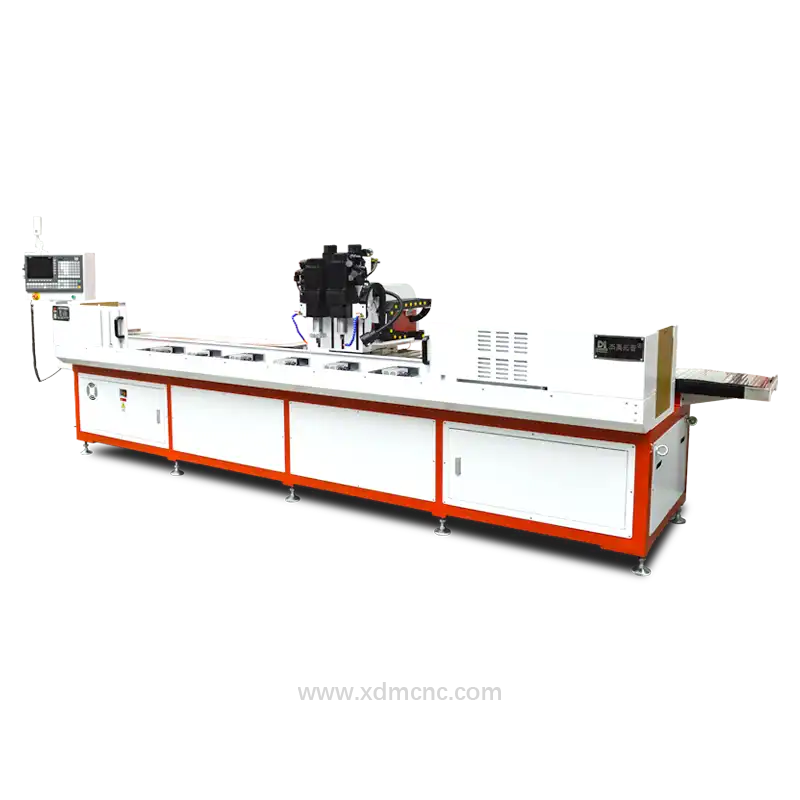
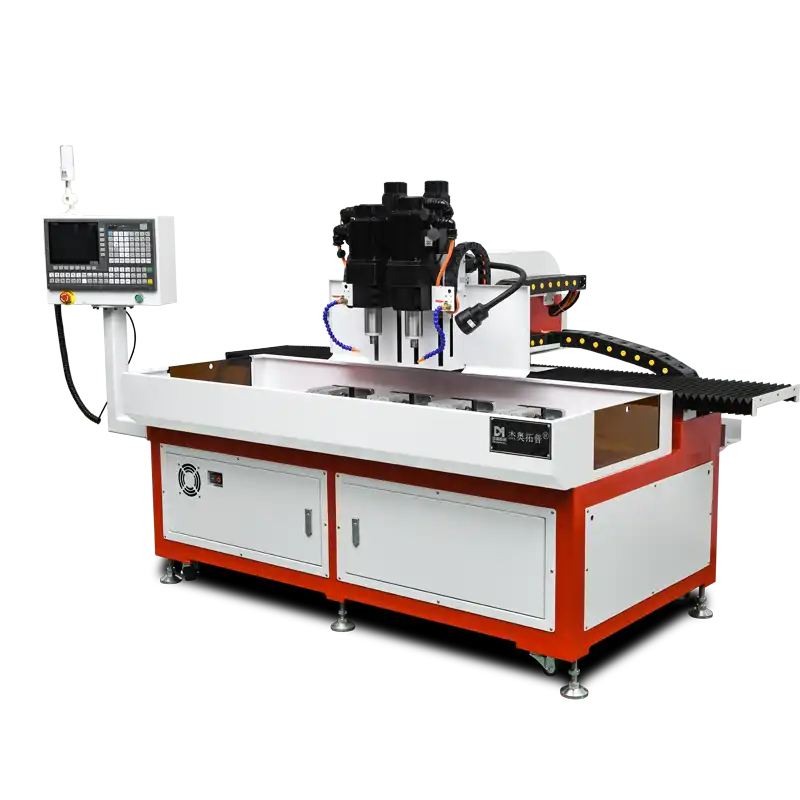
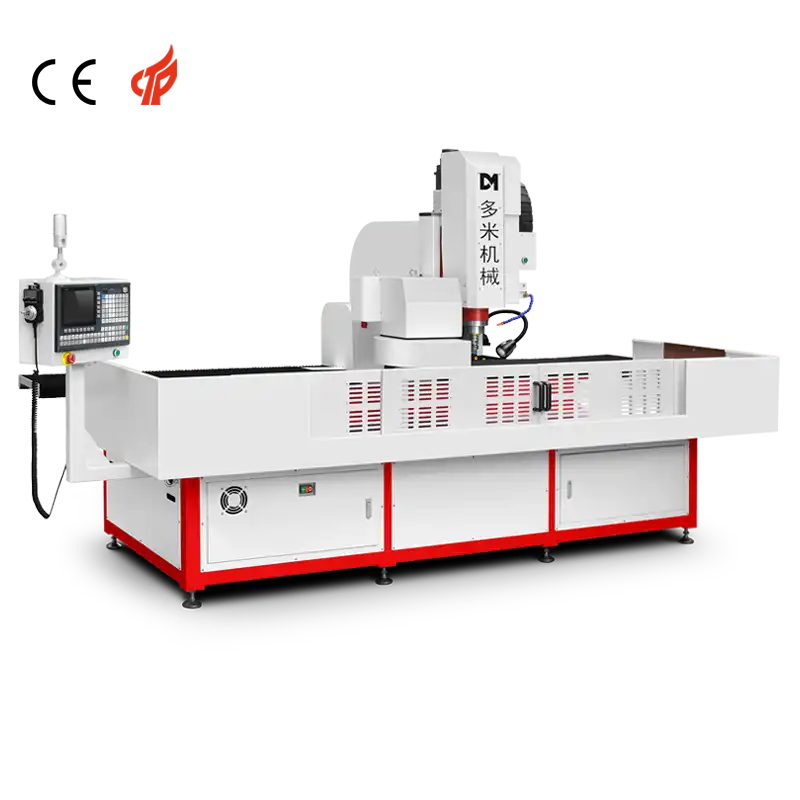
The flow drilling and tapping machine (also known as thermal drilling or friction drilling CNC systems) represents a core innovation in modern metal processing for steel companies. By combining high-speed rotational friction with controlled axial pressure, the flow drilling process locally heats thin-walled metal workpieces to temperatures between 600°C and 800°C. This plasticizes the material, creating a drawn bushing that increases the effective wall thickness by 3x to 4x—eliminating the need for press nuts, weld nuts, or threaded inserts.
Integrated with multi-axis CNC technology, a flow drilling and tapping machine provides rapid, chip-free hole production and cold-roll thread forming in steel, stainless steel, structural tubing, and aluminum alloys.
Key Application Scenarios in Steel & Metal Manufacturing
1. Structural Steel & Hollow Section Processing
In structural steel fabrication, joining hollow structural sections (HSS), H-beams, channel steel, and square tubing often poses challenge due to thin wall thicknesses. The flow drilling method creates deep, solid bushings directly in the tube walls, allowing high-torque bolt engagement compliant with ISO 965 threading standards without blind rivets or internal welding.
2. Machinery & Industrial Equipment Manufacturing
For machinery frames and heavy metal enclosures, accurate hole alignment and load-bearing thread integrity are critical. CNC-driven flow drilling and tapping machines execute continuous multi-hole patterns with positioning accuracy up to ±0.02 mm.
3. Construction Brackets & Metal Products
Automated multi-station flow drilling centers handle mass production of construction brackets, solar mounting structures, railings, and scaffolding components, significantly reducing cycle times compared to traditional drill-and-tap setups.
4. Automotive & Transportation Chassis Production
Vehicle chassis, subframes, and crash tubes utilize high-strength steel (AHSS) and aluminum extrusions. Flow thermal drilling maintains material strength while providing vibration-resistant formed threads suitable for automotive assembly lines.
5. Bridge & Infrastructure Engineering
Used heavily for heavy-duty connection plates and steel beam assemblies, ensuring long-term structural integrity under dynamic load cycles.
Technical Advantages Over Traditional Drilling & Tapping Methods
| Process Feature | Traditional Chip-Cutting Drill | Flow Drilling and Tapping Machine |
|---|---|---|
| Hole Wall Bushing | No extension (original wall thickness only) | Forms collar extending wall length up to 3x–4x |
| Material Waste | High chip generation | Zero-chip plastic deformation process |
| Thread Strength | Cut threads interrupt grain flow | Formed threads compress grain structure, increasing pull-out strength |
| Secondary Fasteners | Requires rivet nuts, weld nuts, or inserts | Direct threading into formed bushing |
| Cycle Time | Multi-step setup | Continuous CNC flow drill + tap in seconds |
Core Operational Benefits:
- No Pre-Drilling Required: The solid tungsten carbide flow bit penetrates sheet metal directly without pilot holes.
- Superior Thread Engagement: Cold-roll thread forming within the heat-molded bushing creates load-bearing capacity capable of withstanding high torque.
- Enhanced Material Efficiency: Converts displaced metal into structural bushings, minimizing scrap metal production and secondary clean-up.
Need High-Efficiency CNC Drilling & Tapping Machinery?
Consult with our senior application engineers to get a custom cycle time simulation and tailored machine proposal within 24 hours.