In industrial manufacturing, precision hole drilling spans a wide continuum from microscopic apertures to heavy structural bores. While sub-0.5 mm holes represent pure micro-machining and holes larger than 3.0 mm fall into conventional machining, the 0.5 mm to 3.0 mm range represents a critical transition zone governed by dedicated small hole drilling machines.
Producing small holes in materials such as 304/316 stainless steel, titanium alloys, Inconel, and high-strength aluminum presents specific mechanical challenges, especially when hole depths exceed 5 to 20 times the drill diameter (aspect ratio L/D > 5–20). For theoretical drill physics, tool runout dynamics, and sub-0.5 mm operations, please consult our fundamental micro drilling principles and tooling parameters. This guide focuses on machine requirements, deep-hole mechanics, and tool protection in the small hole category.

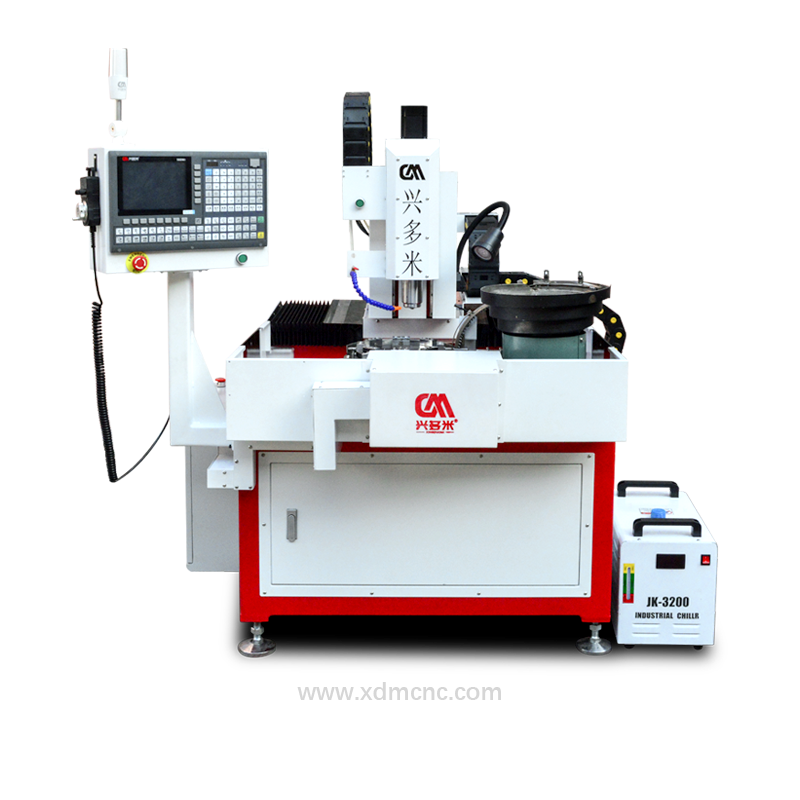
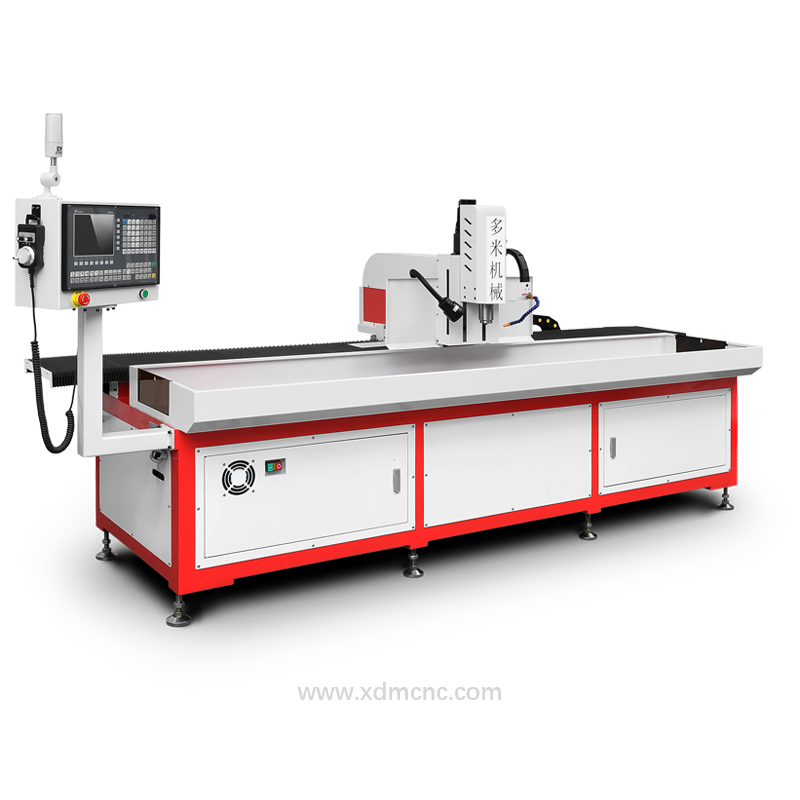
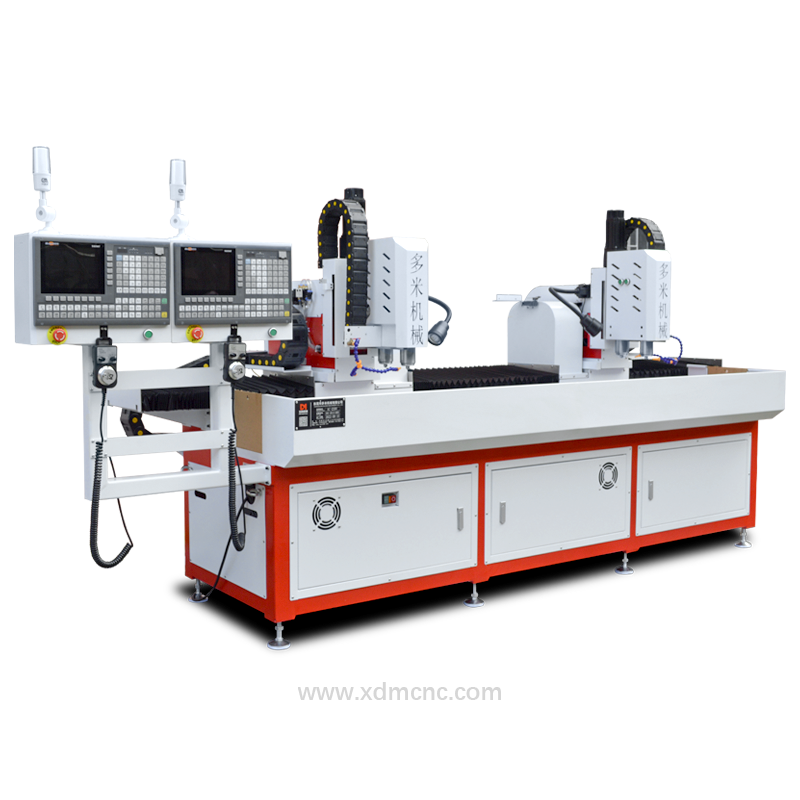
Figure 1: DUOMI CNC small hole drilling machine optimized for high-aspect-ratio hole processing in alloy components.
Defining the Technical Boundaries: Micro vs Small Hole vs Standard Drilling
To select the appropriate machine architecture, manufacturing engineers must differentiate between hole-making categories:
| Machining Category | Hole Diameter Range | Typical Spindle RPM | Dominant Tooling & Mechanics | Primary Engineering Bottlenecks |
|---|---|---|---|---|
| Micro Drilling | 0.05 mm – 0.50 mm | 30,000 – 60,000 RPM | Solid micro carbide, MQL oil mist | Radial runout (< 3 μm), cutting edge chipping, tool deflection |
| Small Hole Drilling | 0.50 mm – 3.00 mm | 12,000 – 30,000 RPM | Micro-grain coated carbide, High-pressure coolant | Chip packing in deep cavities, heat buildup, drill wander |
| Standard CNC Drilling | 3.00 mm – 32.0 mm | 2,000 – 10,000 RPM | Coated carbide / Indexable insert drills | Spindle thrust force, torque requirements, rigid tapping |
Engineering Challenges of Deep Small Hole Drilling (High L/D Ratios)
When drilling small holes with depths exceeding 5 times the diameter (L/D > 5), chip evacuation resistance rises exponentially. If chips pack within the flutes, tool fracture occurs almost instantaneously.
1. High-Speed Peck Drilling Cycles (G73 vs G83)
For small holes with L/D between 3 and 7, high-speed peck drilling (G73 with small retract increments) breaks chips into manageable ribbons without full tool retraction. For deeper holes (L/D > 10 up to 30), full-retract peck cycles (G83) clear the flutes completely and allow coolant to flood the cutting bottom.
2. High-Pressure Through-Spindle Coolant (TSC)
External flood coolant cannot reach the bottom of small holes deeper than 10 mm due to vapor lock and outward chip flow. DUOMI small hole drilling machines feature high-pressure coolant systems (up to 30–70 bar) or precision atomized air-oil mist that injects directly into the cutting zone to blast swarf outward.
3. Pilot Hole Sequencing
For deep small holes (e.g., 1.5 mm diameter × 30 mm depth), standard practice requires a short, rigid pilot drill (1D–2D depth, 140° point angle) before introducing a long drill. The pilot hole acts as a guide bushing, preventing tool tip wandering and ensuring hole straightness within ±0.01 mm.
Key Hardware Features of DUOMI Small Hole Drilling Machines
DUOMI Small Hole CNC Drilling Machines are engineered to balance high rotational velocity with substantial rigidity:
- Hybrid High-Speed BT30 / HSK Spindles: Operating from 12,000 up to 30,000 RPM with high low-end torque, enabling both rapid small hole drilling and synchronized M1.0–M6 rigid tapping in a single clamping.
- Multi-Spindle Parallel Processing: Configurable with 2 to 4 synchronized drilling spindles to drill multiple small holes in extrusion profiles, filter tubes, and automotive components simultaneously.
- Optical Broken-Tool Sensor: Automatically checks drill integrity after every deep-hole cycle, preventing broken carbide from damaging subsequent parts.
- Heavy-Duty Cast Iron Construction: Dampens harmonic chatter during high-feed peck cycles, significantly extending cutting tool longevity.
Industrial Applications for Small Hole CNC Drilling
Small hole drilling machines provide vital production capacity across diverse industrial fields:
- Automotive & Engine Systems: Oil lubrication galleries in camshafts, fuel injector nozzle holes, and hydraulic brake manifold channels.
- Aviation & Hydraulic Blocks: Miniature hydraulic valve manifolds, pneumatic manifold blocks, and instrumentation housings.
- Precision Filtration Tubes: Thousands of 0.8–2.0 mm perforations in stainless steel filter cylinders for water purification and chemical processing.
- Electronics & Heat Sinks: Dense arrays of thermal dissipation holes in extruded aluminum housings and communication chassis.
To explore dedicated machine configurations and spindle options for sub-millimeter components, see our guide on micro hole drilling machine hardware architecture.
Get Factory-Direct Small Hole Drilling Solutions from DUOMI CNC
DUOMI CNC manufactures high-performance small hole and micro drilling machinery with direct manufacturer pricing, custom multi-spindle engineering, and worldwide technical support.
Contact DUOMI CNC today to consult with our technical engineers on tool selection, feed cycle optimization, and turnkey production line integration.
Need High-Efficiency CNC Drilling & Tapping Machinery?
Consult with our senior application engineers to get a custom cycle time simulation and tailored machine proposal within 24 hours.